
Décor decorates a room for a season; an investment piece anchors a home for decades. The difference isn't price — it's whether the object is built to be replaced or built to be kept. Knowing which is which is what keeps you from overspending on things that fade and underspending on the few pieces worth doing right. This guide draws the line clearly, so you can decide where to spend and where to save.
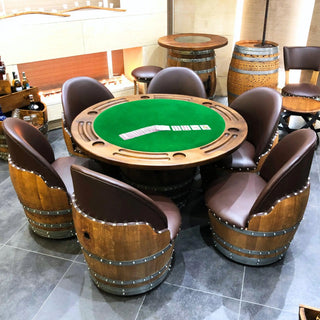
It's a distinction worth understanding before any big furniture purchase. Something like the 6-chair barrel game table set is squarely an investment piece — and understanding *why* helps you judge every other purchase you make.
Décor: the seasonal layer
Décor is everything you add to make a room feel current, warm, and yours right now. Throw pillows, candles, seasonal accents, prints, small accessories, trend-driven pieces. It has a real job — it makes a house feel alive and personal — and there's nothing wrong with it.
But décor is meant to be temporary. It's the layer you swap. You change pillows with the seasons, refresh art when your taste shifts, replace the trendy lamp when the trend passes. Décor is designed for turnover, and it's usually priced accordingly. You spend a little, enjoy it for a while, and move on without a second thought.
The mistake people make is spending *investment money* on décor — sinking real budget into trend-driven pieces that'll feel dated in three years. Save your serious spending for the layer underneath.
Investment pieces: the permanent bones
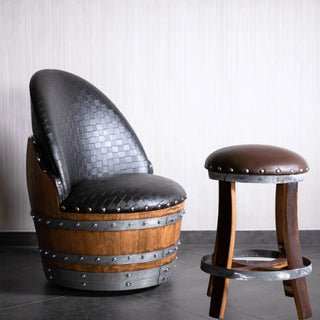
An investment piece is the opposite. It's the furniture that defines the room and stays through every décor refresh. The dining table, the bar, the anchor chair — the pieces you build the rest of the room *around*. You don't swap these. You keep them, and you often hand them down.
An investment piece has a few defining traits:
- Built to last decades. Real materials, solid construction, a finish that survives daily use.
- Timeless enough to outlast trends. Its design won't embarrass you in five years.
- Functional at the center of the room. It earns its place through use, not just looks.
- Worth keeping — and often, worth passing on. It becomes part of the home's story.
The price is higher, but the *cost* over time is often lower, because you buy it once instead of replacing it every few years.
The clearest test: décor or investment?
When you're unsure which category something falls into, run it through these questions:
| Ask yourself | Décor | Investment piece |
|---|---|---|
| Will I still want this in 15 years? | Probably not | Yes |
| Is it built to be replaced? | Yes | No |
| Does the room's function depend on it? | No | Yes |
| Would I consider handing it down? | No | Quite possibly |
| Am I buying it for now, or for good? | For now | For good |
If most answers land in the left column, spend lightly and enjoy it. If they land on the right, this is a piece worth doing properly — because you'll live with it for a very long time.
Why the distinction saves you money
It sounds backwards, but understanding this difference makes you *more* careful with money, not less. Here's the logic.
Décor purchased at investment prices is wasted money — you're paying premium for something you'll discard. And investment pieces bought as if they were disposable décor cost you more in the long run, because cheap "anchor" furniture wobbles, wears, and gets replaced, and you end up buying the same table three times.
The smart approach is to sort your spending by category. Keep décor budget light and flexible — that's the fun, changeable layer. Concentrate real budget on the handful of investment pieces that define your rooms and stay for decades. Spend once, spend well, and let the cheap, changeable layer be genuinely cheap.
What makes barrel furniture an investment piece
Genuine oak Wine Barrel furniture sits firmly in the investment category, and it's worth understanding why:
- The material is proven. One-inch solid oak Bordeaux-type Wine Barrel staves — wood that held wine under pressure for years before becoming furniture. It's dense, stable, and built to last.
- The construction is solid. Handcrafted in our family workshop with a durable spar-varnish finish, hand-wirebrushed tops, and real joinery. Not flat-pack, not veneer.
- The design is timeless. A barrel's shape has looked right in rooms for centuries. It's not chasing a trend it'll regret.
- It carries a story. Authentic wine staining and a genuine barrel origin give it character that deepens over time rather than fading.
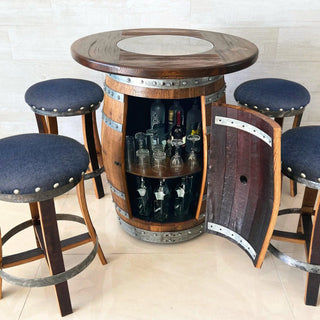
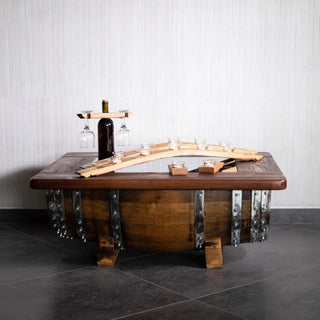
Those are the exact traits that separate something you keep from something you replace. A barrel table or bar isn't décor you'll swap next season — it's the piece the décor gets arranged around.
The trap of "temporary" furniture
There's a middle category that causes the most regret: furniture that's priced like an investment piece but built like décor. It looks substantial in the showroom, costs real money, and seems like an anchor purchase — but it's made from thin panels, engineered wood, or veneer that wears, chips, and loosens within a few years. You paid investment prices and got disposable results.
This is where a lot of household budgets quietly leak. A wobbly "solid-looking" table replaced twice over a decade costs more than one genuinely solid table bought once — and delivers less satisfaction the whole way through, because you're always living with something that's not quite holding up. The lesson isn't to spend more; it's to make sure that when you *do* spend investment money, you're getting investment construction. Ask what a piece is actually made of. A full inch of solid oak behaves nothing like a laminated panel, and the difference only becomes obvious after a few years of daily use — which is exactly when it's too late to change your mind cheaply.
Where furniture earns its keep every day
The other thing that separates an investment piece from décor is how often it earns its place. Décor is admired; an investment piece is *used*. A dining table hosts hundreds of meals. A bar anchors every gathering. A good chair holds you through years of evenings. That daily use is what makes the higher price reasonable — spread across a decade of dinners and gatherings, the cost per use of a well-built piece is almost nothing, while the trend-driven décor you replaced three times cost more and got tossed.
How to buy an investment piece with confidence
Once you've decided a purchase is a true investment piece, buy it the way you'd buy anything meant to last:
- Prioritize material and construction over trend. Ask what it's made of and how it's built before you ask whether it's "in."
- Measure your space carefully. An investment piece has to fit for the long haul, not just look good in a photo.
- Choose function you'll actually use. The best investment pieces earn their keep daily — a table you dine at, a bar you host around.
- Think about the decades, not the season. Picture the piece in your home in fifteen years. If that image still works, it's the right buy.
Because our shipping is free and insured in the continental U.S., and buy-now-pay-later is available through Shop Pay installments, doing an investment piece properly doesn't have to strain a single month's budget — you can spread the cost of something you'll own for decades.
Spend where it lasts
The goal isn't to spend more. It's to spend *right* — lightly on the seasonal layer that's meant to change, and seriously on the few pieces that anchor your home for the long haul. Browse the full collection with that lens and the decision gets simple: décor is for now, investment pieces are for good, and the trick to a home that feels effortless is knowing which is which.
About Oak Wood Wine Barrels — A family workshop handcrafting authentic Bordeaux-oak Wine Barrel furniture. 4.9-star rated, 4,000+ orders shipped. Shop our collection at obarrel.com.